
FOR THE SERVICE MANAGER
Return Trace
Callback briefs that surface the root cause.
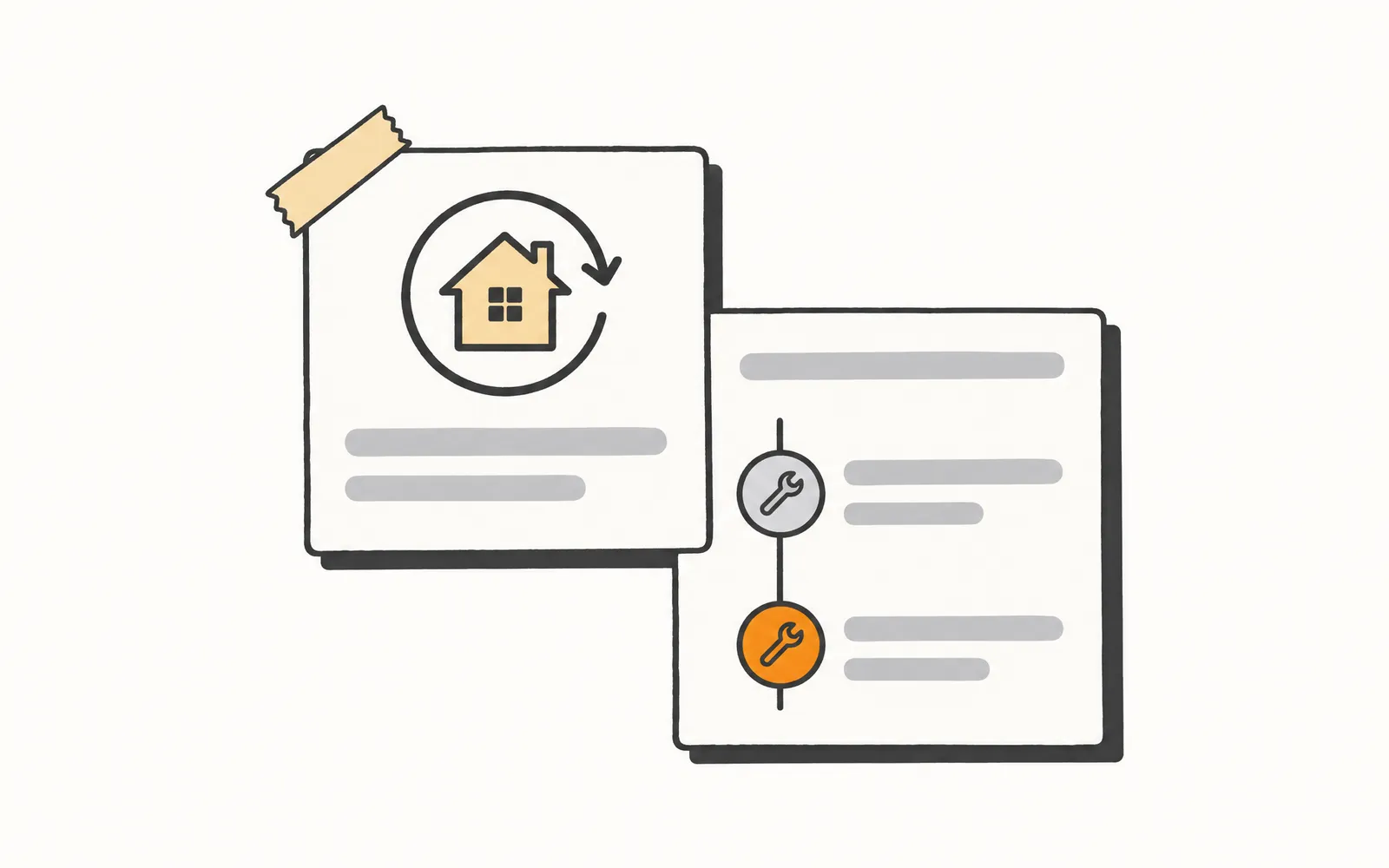
The Service Manager opens a repeat job and the story is already on one page. They can see when the team was last here, who worked it, how old the equipment is, and whether a fix was offered and declined.
- Time back
- 12 min
- per callback
- Cost
- 36¢
- 72 Rivets per callback
How it works.
5 steps, and your team only touches the ones that need a person.
- 1.
A repeat job closes
When a repair or remediation job closes, Return Trace checks the location for earlier work of the same type inside the window the Service Manager set.
- 2.
The repeat job is linked
If it finds a match, Return Trace ties the new job back to the original one and flags it as a callback.
- 3.
The brief gets built
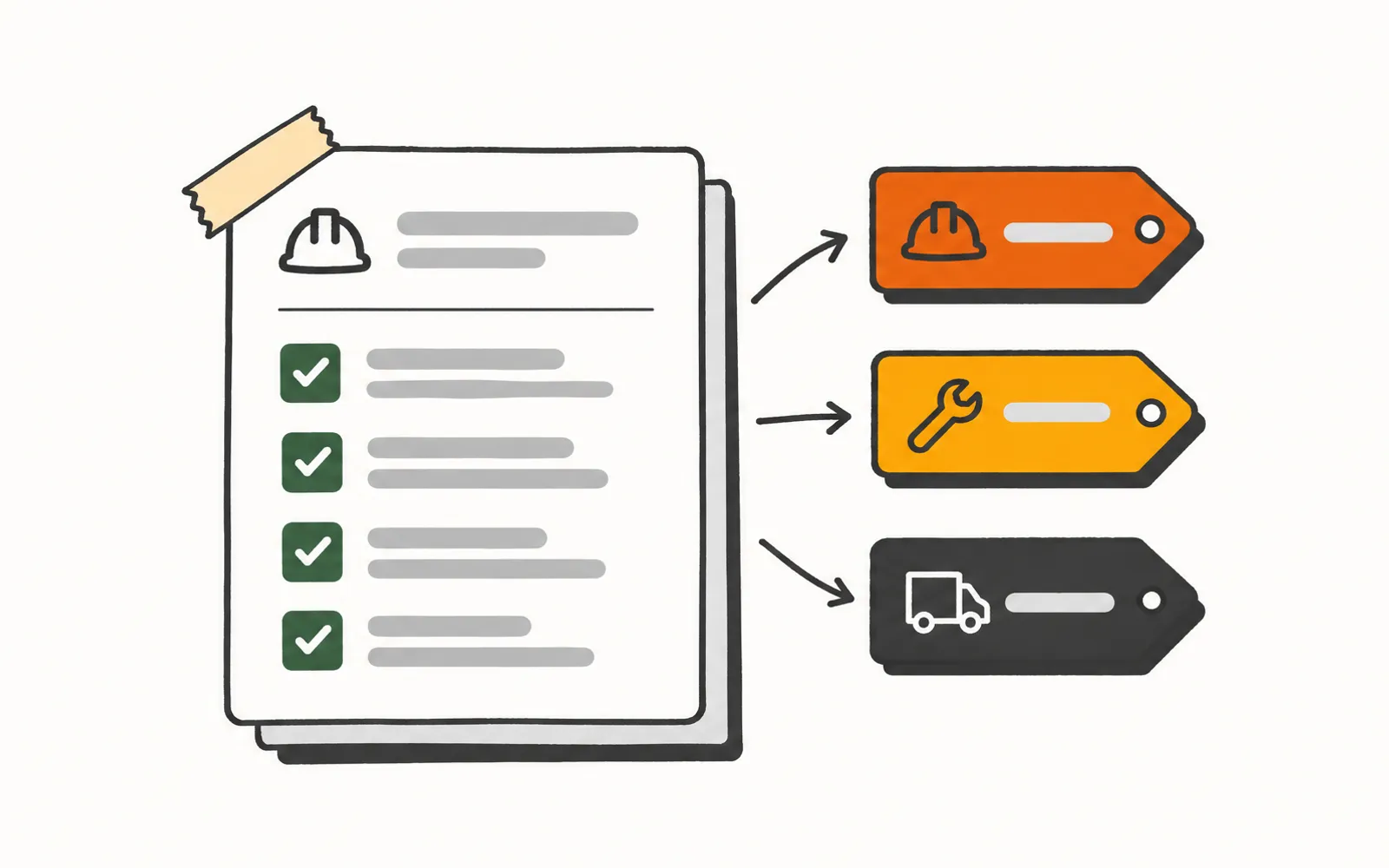
Return Trace pulls together the recent service history, the techs who worked the location, the affected equipment's age, and any declined quote, into one page.
- 4.
The Service Manager decides
They read the brief and record the action they are taking: coaching, a program change, a replacement quote, or a customer conversation.
- 5.
The decision lands on the job
When the field management system is connected, the recorded corrective action is written back onto the original job so it lives with the work.
Try it.
A small working model of Return Trace. Nothing here touches a real customer.
Widen the window for repeat visits and see when a new job gets linked back to the first one.
A day for the Service Manager.
- 8:30 AM
The Service Manager sits down with last week's callback list. Six repeats. They start on the first one, opening the location and scrolling its recent service history.
- 9:15 AM
They are still assembling the evidence. They cross-reference dispatch to see which techs were out there, open the equipment record, and look for the quote the customer declined. They get through three of the six before the morning gets away from them.
- 1:00 PM
A repeat from two weeks ago closes again at the same address. It logs as a new job and nobody flags it as rework, so it never makes the callback list.
- 4:00 PM
They suspect a few of these are the same furnace model but they haven't had time to confirm it. The pattern stays a hunch.
- 8:30 AM
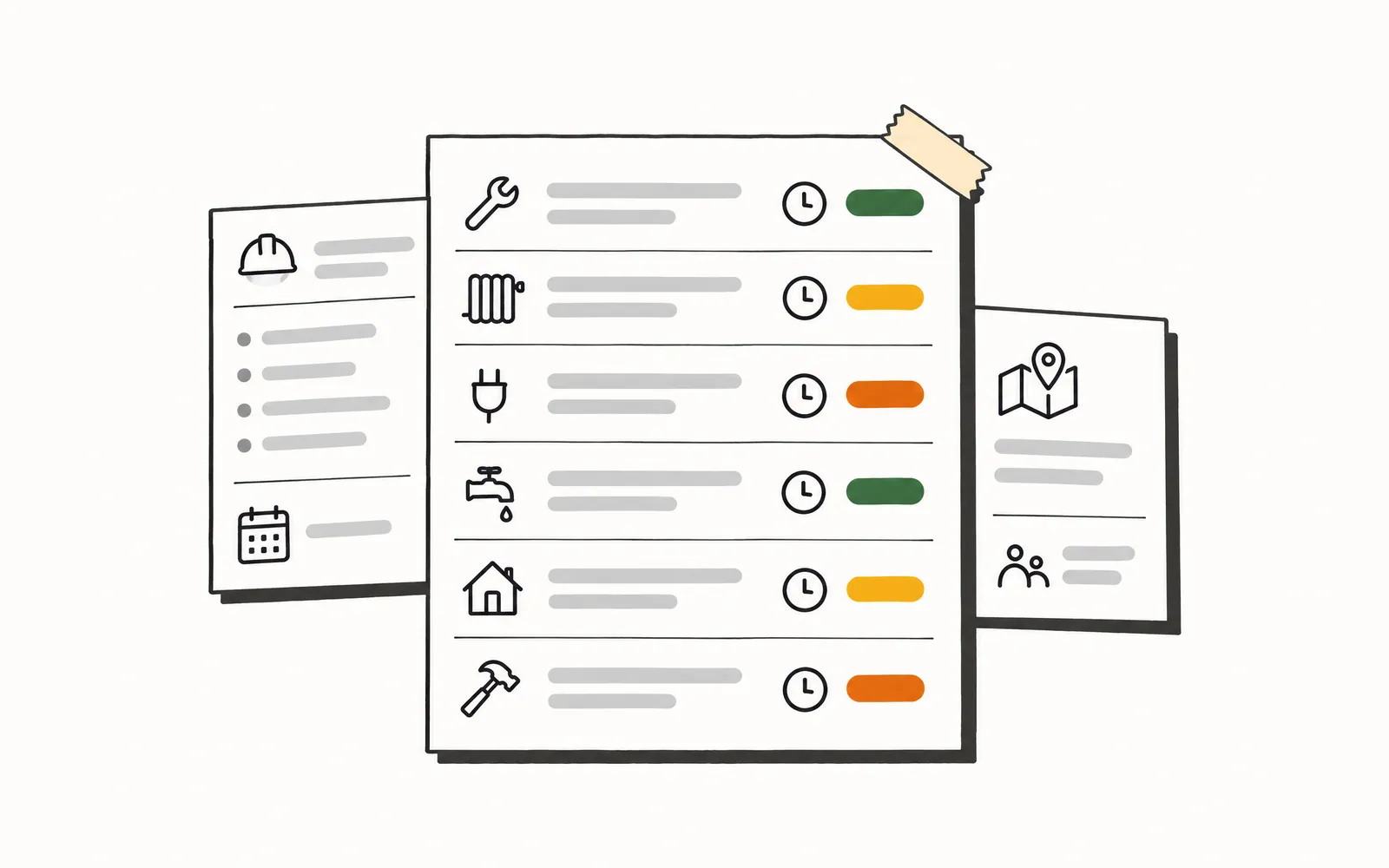
The six callbacks are waiting as briefs, each already linked to the original job, with the history, the techs, the equipment age, and any declined quote on one page.
- 8:50 AM
They work through all six, recording a corrective action on each: coaching for one tech, a replacement quote on two aging units, a program change on another.
- 1:00 PM
The repeat at the same address closes and Return Trace links it on its own. It shows up as a callback instead of disappearing into the new-job pile.
- 4:00 PM
Three of the week's callbacks were the same furnace model. The brief made the pattern obvious, and they have already taken it to the GM.
What it won't do.
So nobody's surprised later.
- Watches closed jobs only; it does not monitor open or in-progress jobs for risk.
- Does not schedule, dispatch, or book the rework visit.
- Does not file or manage warranty claims.
- Does not produce first-time-fix rate or technician scorecards as a standalone report.
- About 220,000 calls a month analyzed across 31 shops
- 139 shops use Graphite Lab tools
- 108 ServiceTitan data types synced, including for multi-location operators
- 66 to 93 mobile PageSpeed, from a contractor's old site to the preview we built in under 10 days
Let’s talk about your shop.
No slide deck. Tell us how your team runs today and we'll show you what we'd build first. If it's a fit, we send you a quote.